
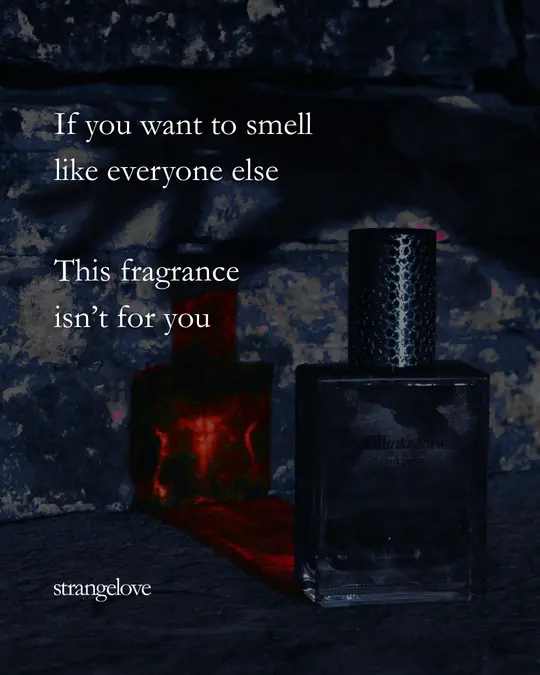
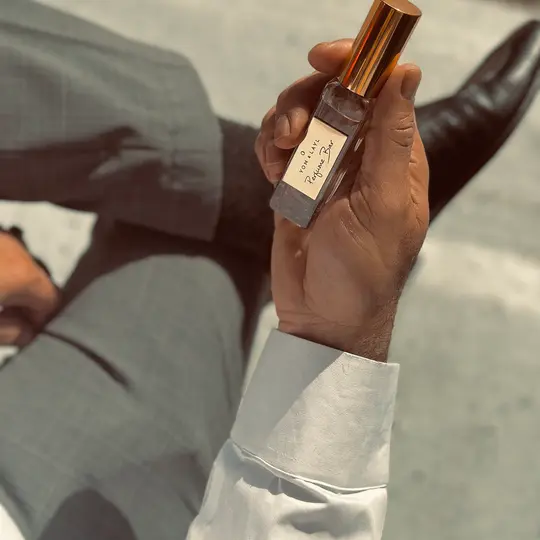
You've got a clean product photo, a headline you like and a designer who's moved the logo around all afternoon. The ad still feels forgettable. Put the layout aside and ask what someone is supposed to understand from that image.
A static ad delivers its message in a still image. The product, promise and proof have to land together. Here's how to choose that message, study real examples and make a batch that teaches you something useful.
For context on format and run length, StealAds measured beauty ads. Beauty image ads had a median observed run of 13 days; video ads ran 23. Format alone doesn't decide how long an ad lasts, so pick it for the job. If the proof fits in a frame, a still is the fastest ad you can make and test, so make that frame worth looking at.
Give the image a clear job
If your static ad needs a caption to make sense, it's not done. Supporting copy can add detail, but the image should carry the central idea. You want someone to recognize the product and understand why they're looking at it before opening the rest of the text.
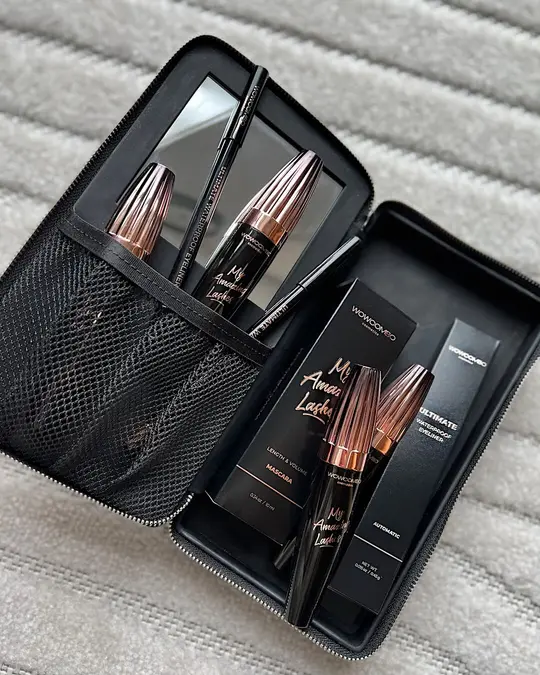
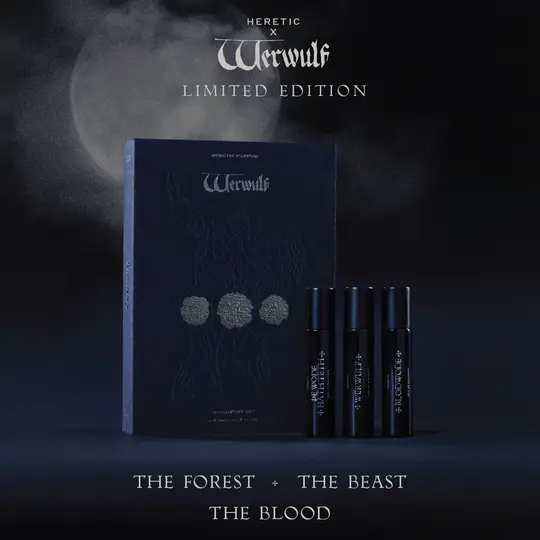
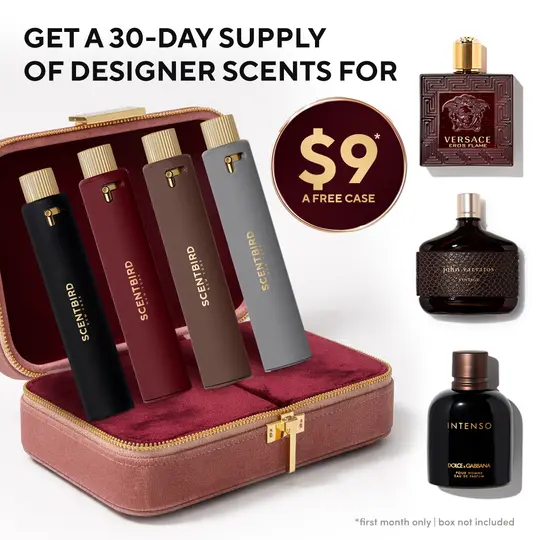
Choose the job first. You might show what's inside a bundle, make a texture visible, answer a sizing doubt or present an offer. Each job asks for a different picture. A beautiful shot of the box won't answer a question about what comes inside it.
A still image should answer a question before it asks for a click. Save references that make the product easy to understand, then name the visual detail that does the work. A reference without a reason to save it is just another file.
Write a sentence above the design file that says what the viewer should learn. For a lip-color set, that might be “you can see every shade included before you open the box.” Now you can judge whether a prop, headline or crop helps. If it distracts from that job, take it out. Your designer needs a message to organize around before they need another reference image.
Look for message hierarchy, not a magic layout
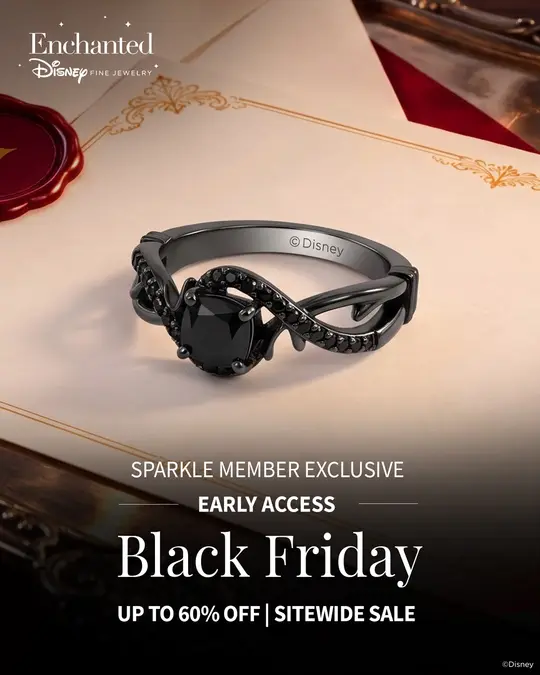
Your eye needs somewhere to land. Choose the main point, make that dominant and ask every other element to earn its place. A logo, a review, an offer and a product detail can all be useful. Making them equally loud leaves the customer to work out which one matters.
When you study beauty ads that lead with social proof, look for the doubt the proof answers. Bring that question into your own brief.
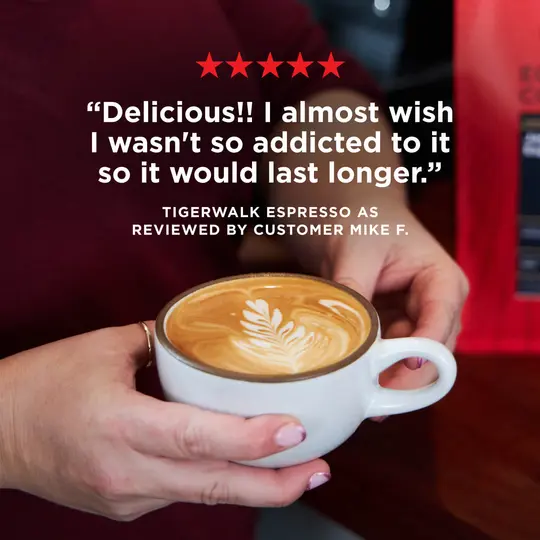
A quote calling a lipstick “amazing” says less than a customer describing its feel or how they chose their shade. Pick a real quote that answers the question your ad raises. Keep its meaning intact when you shorten it, and get permission where needed.
Then shrink the design to phone size. Can you still read the essential line? Is the product recognizable? Does the evidence stay visible? Remove a decorative badge before making the text smaller. Your customer shouldn't have to zoom in to understand the reason to click. Ask someone unfamiliar with the product what they think the ad promises. Their answer is a useful check on how much context you've assumed.
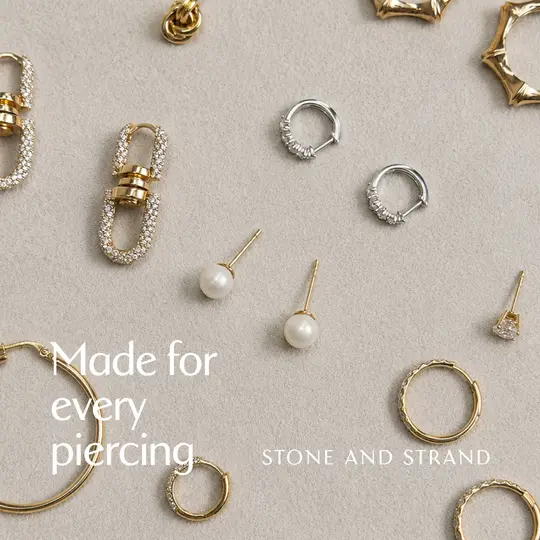
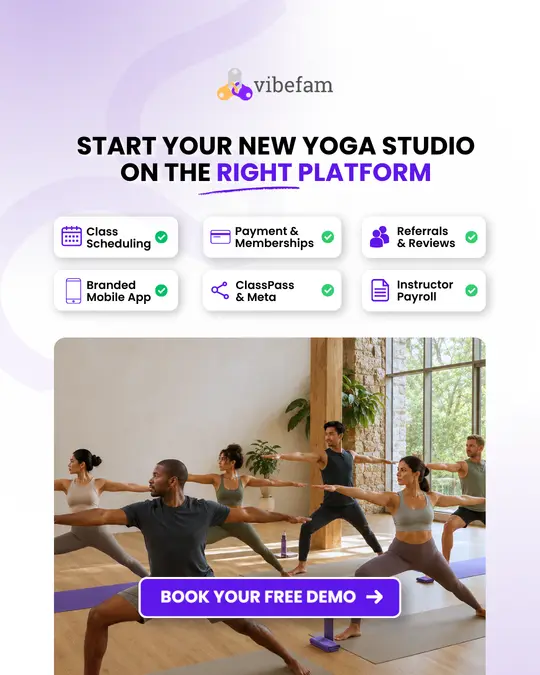
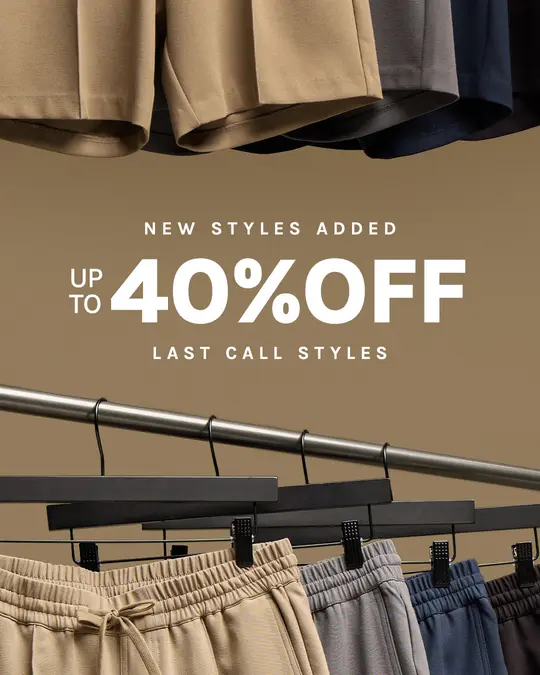
Choose image or video around the proof
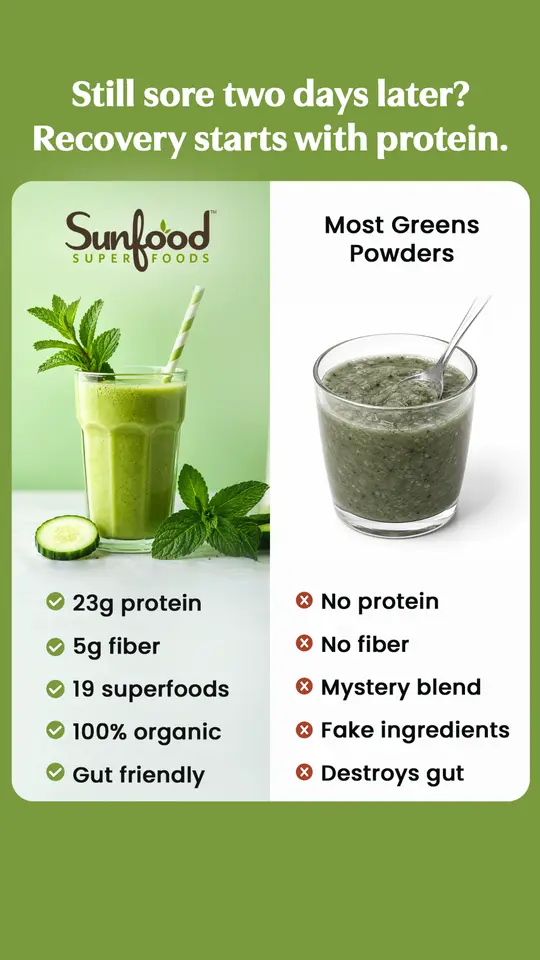
Choose a still when the evidence can be understood at a glance. A lip palette can show its shades. A close view can show texture. A bundle laid out clearly can show exactly what's included. Give the customer the view they need.
Study both formats in the beauty ad report, with the product question in mind. Your evidence should determine the format you make, even when a category average points in another direction.
Use video when the action carries the proof. If the point is how a cream blush blends into skin, show it happening. Trying to squeeze that sequence into a crowded collage makes the customer assemble the demonstration themselves. Equally, filming someone reading out what a clear photograph could show adds work without improving the explanation.
Write the proof before choosing the format. Then draft the headline. The ad headline optimizer can help you shorten that line once you know what it needs to say. Keep the words that add meaning and cut the ones that merely announce how excited the brand is about its own product.
Build a batch that teaches you something
Keep the promise steady while you explore how to show it. For the lip-color set, compare a view of the full set, a close shade swatch and a real customer quote about choosing a color. Label each version with the question it asks. That makes the review much easier than sorting through files named final and final-again.
Across the public Meta Ad Library ads StealAds measured, 29% reached at least 30 days. Save the examples that keep showing up and look for the message that survives their design changes.
Before launch, open the destination page alongside the ad. If the image shows a complete set, make it clear which pieces the customer gets. If the headline promises a particular use, make that use easy to find on the page. Confusion about the offer won't disappear because you've improved the typography.
Review each version against your existing ads and record the decision. Keep what holds up, change the part that's unclear and retire what your account evidence no longer supports. Read how long Facebook ads run if you're tempted to replace an image just because you're tired of seeing it. Make the next useful variation before redesigning an ad that's still doing its job.
What these examples can and can't show
We measure public Meta Ad Library ads from their start date to the last day we saw them. Ads seen near the latest observation count as live, so their measured runs can still grow. The examples describe that observation, rather than today's active status.
The public-ad research covers 10,950 measured ads across 234 brands; the beauty comparisons use 972 measured ads from 13 brands. The format comparisons use a fixed selection that caps the largest brand's contribution at the next largest brand's ad count.
What this data can't tell you: We don't see what an advertiser paid or what an ad brought in, and these groups aren't controlled tests. A long run can't explain which design choice mattered. Study the message, then use your own account evidence to judge the execution.
Start with the customer question in the creative strategy guide. If application needs a sequence, use the UGC briefing guide to describe the demonstration. The product promise should stay recognizable as you move between a photograph and a filmed explanation.