
You can see every ad a competitor’s running on Facebook and Instagram right now, for free. Meta publishes all active ads in the Meta Ad Library, and you don’t need an ad account to search it.
The hard part isn’t finding the ads. It’s knowing which ones matter. Here’s how I’d do both.
How to find a competitor’s ads
- Open the Meta Ad Library.
- Set the country to where they sell, or to all countries, and set the ad category to All ads.
- Type the brand’s name and pick their Page from the dropdown. Don’t just hit enter on the keyword: a keyword search pulls in every advertiser who mentions the word.
- Filter to active ads. That’s what they’re running today.
Each ad shows you the creative and the copy, the date it started running, the platforms it’s on (Facebook, Instagram, Messenger and so on), and whether there are several versions of it.
The start date is the clue most people skip
“Started running on” tells you how long the brand has kept an ad live. That’s the closest thing to a performance signal you’ll get from public data, and most people scroll right past it.
Here’s why it matters. Most ads don’t last. Of the 807 ads in our data that brands had already switched off, the median one ran 8 days. Only 17% of the 2,021 ads we track made it to 90 days. So when you find a competitor’s ad that’s been live for 90 days or more, you’ve found one of the few they decided to keep. Start your research there.
A few examples from brands we track:
- Superside has kept simple image ads with a “Download now” button running for 221 days.
- MUD\WTR cuts most ads fast, with a median of 2 days, but has kept a couple of videos running for 209 days. Those two are the ones worth your time.
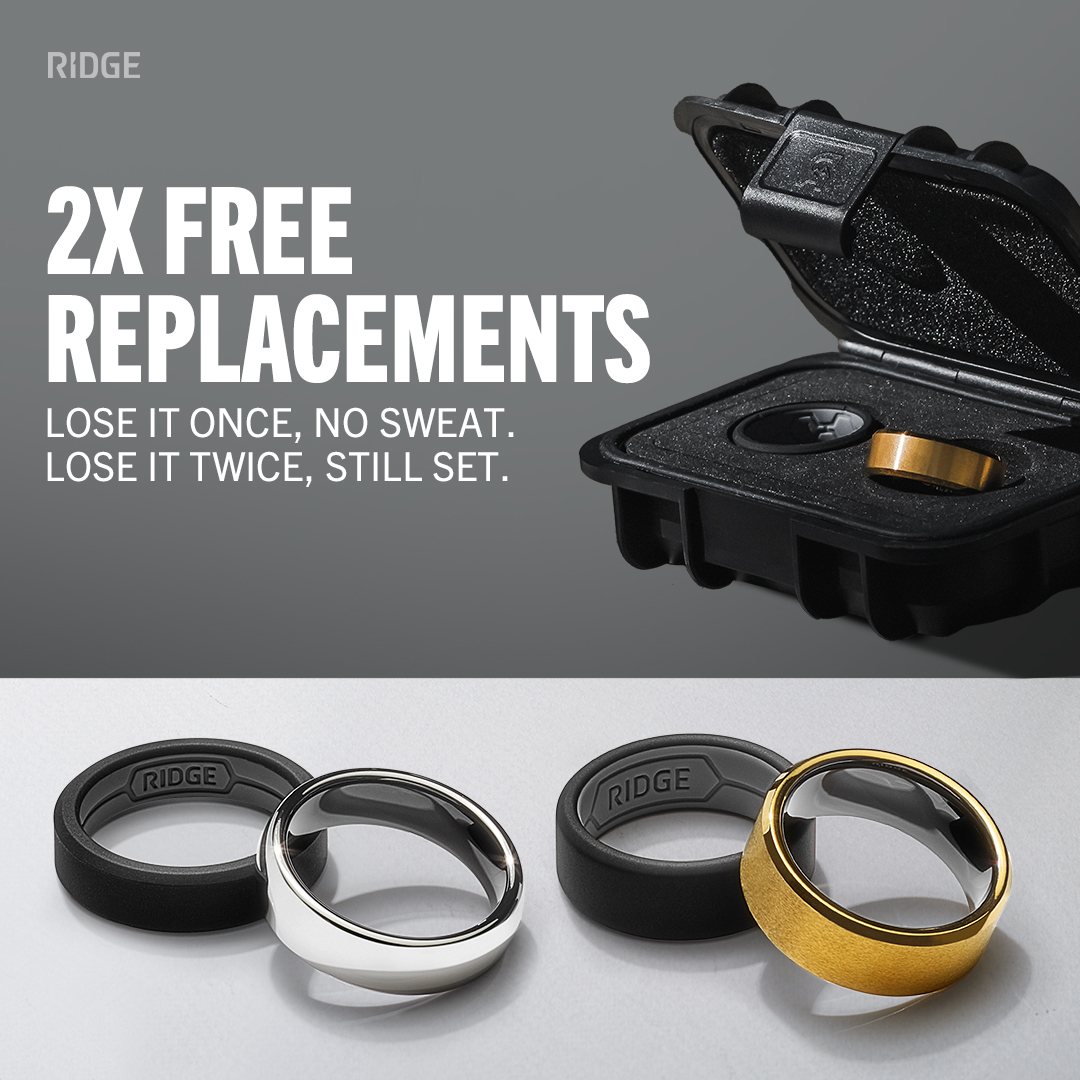
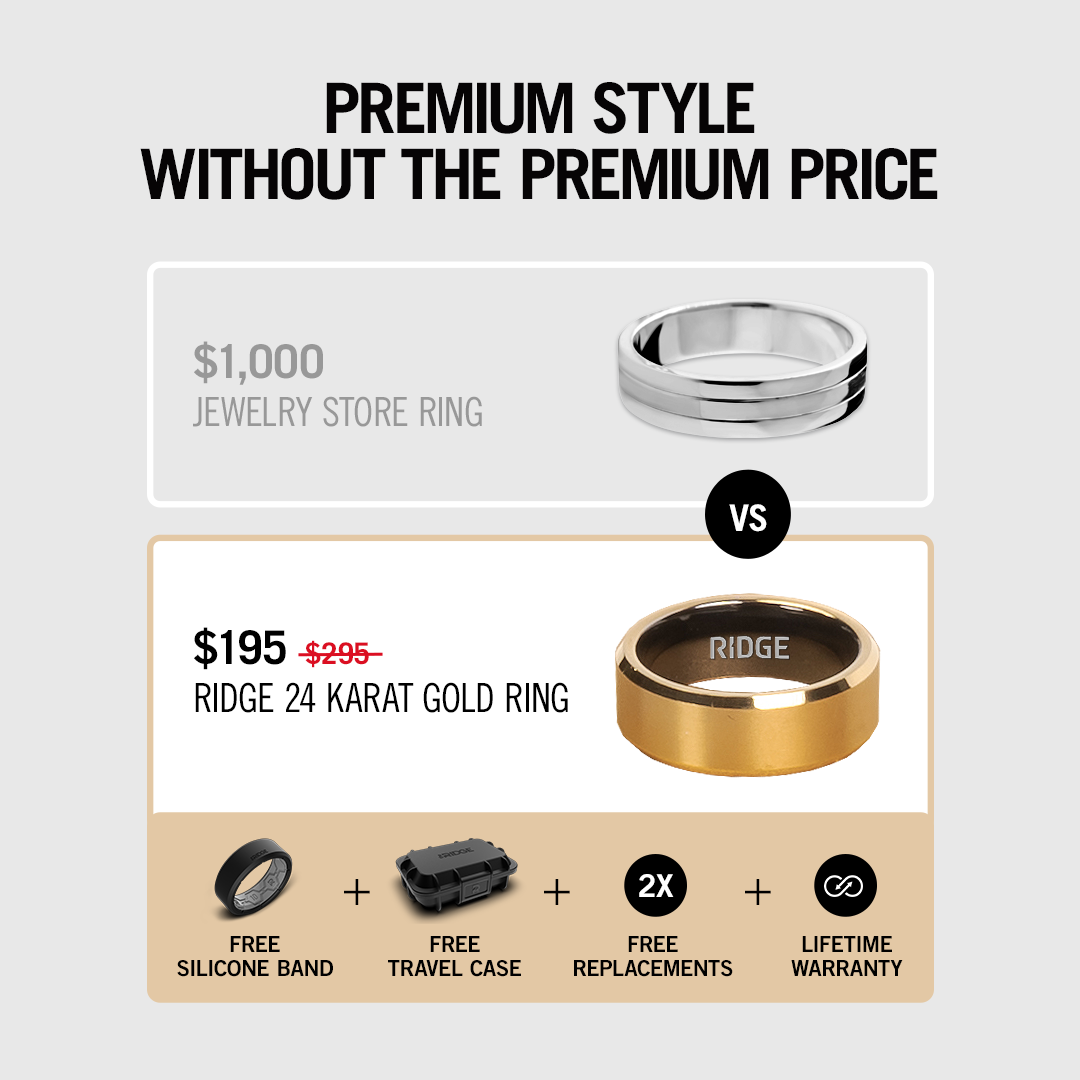
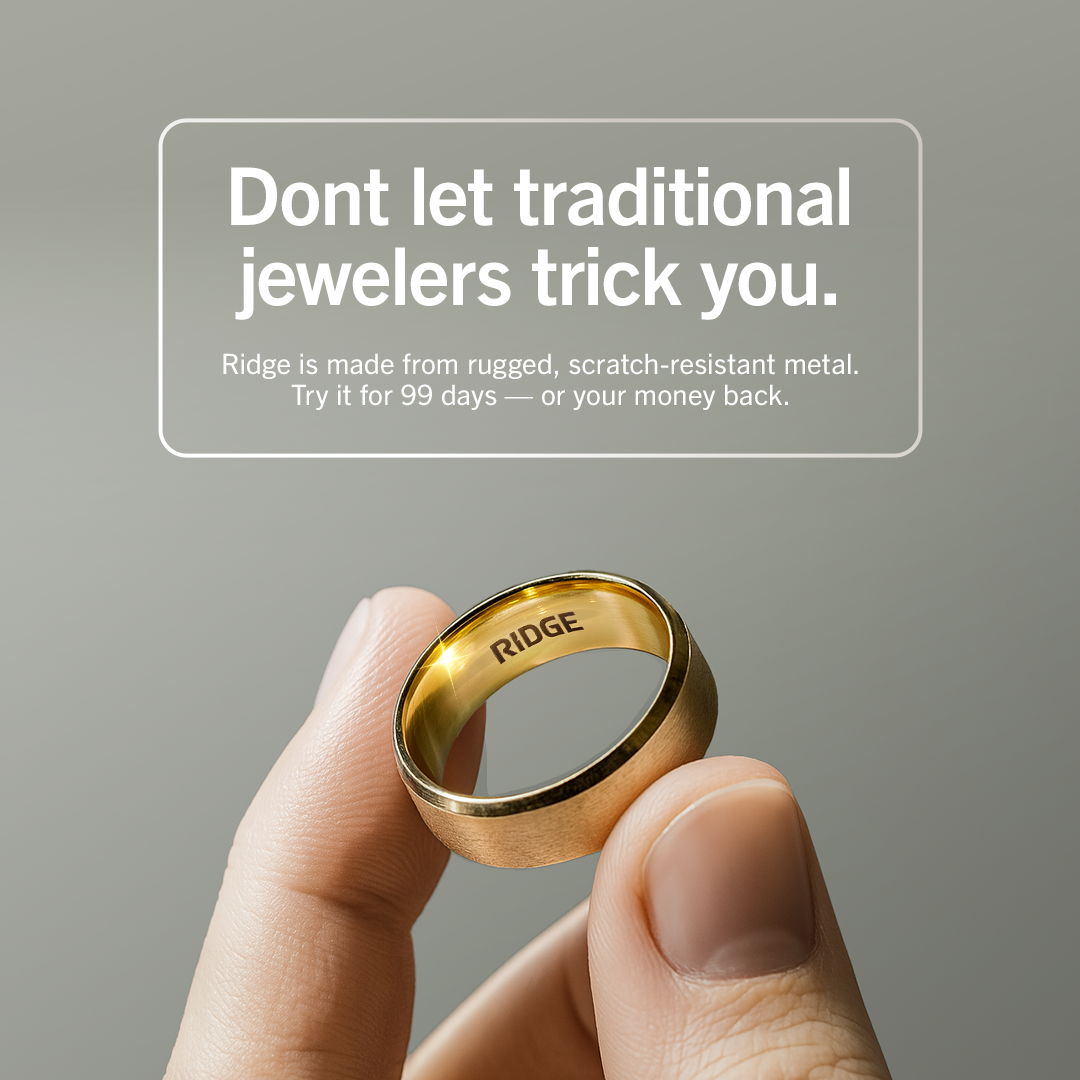
- Ridge is a good one to practice on: its longest-running public ads open with a fear hook about losing your wedding band, plus contrarian lines aimed at traditional jewelers.
What you can’t see
Be honest with yourself about the gaps:
- What they paid. For ordinary product ads, the library doesn’t show what the brand paid or how many people saw the ad.
- Results. No clicks, no purchases, nothing about whether it worked.
- Targeting. You won’t see who the ad was aimed at, except for some detail on ads shown in the EU.
- History. For most ads outside the EU, once an ad stops it drops out of the library. If you didn’t look while it was live, it’s gone.
That last one is the gap that bites. The library is a snapshot. It shows what a competitor runs today, but not what they ran last month, what they cut, or how long the old ones lasted.
Make it a weekly habit
The manual routine works. Pick your three to five main competitors. Once a week, check their active ads, screenshot anything new and note the start dates in a sheet. When an ad you saw last week is gone, you’ll know they cut it.
It’s also tedious, and it’s the step most people drop after a few weeks. That’s the job StealAds does. Track a rival and it collects their public ads on a schedule, keeps everything it’s collected, and shows what they shipped in the last week. The Read compares the brands you track every week, and a Playbook reads every ad one rival ran.
How to read what you find
For each ad worth keeping, write down the hook (the first line, or the first seconds of the video), the promise, the proof, the format and the start date. After a dozen ads you’ll see the pattern your competitor keeps coming back to.
Don’t copy the ad. Copy the reason it holds up, then make it yours. If you want the longer version of that process, I’ve written it up in how to analyze competitor Facebook ads. And if you’re wondering how long your own ads should run, see how long should a Facebook ad run.
How we counted
The numbers here come from public Meta Ad Library ads that StealAds has collected, from the day each ad started to the last day we saw it. An ad we saw in the last week counts as still live, so its run length is a floor. These are public ads, not ad accounts: we can see what ran and for how long, never what a brand paid or what an ad brought in. Every brand mentioned has its own page in our brand ad pages.